Lompat ke konten Lompat ke sidebar Lompat ke footer

mantle cell lymphoma treatment

Treatment of mantle cell lymphoma in older adults - Journal of Geriatric  Oncology
Treatment of mantle cell lymphoma in older adults - Journal of Geriatric Oncology
Lymphoma Mantle Cell Lymphoma This information is about mantle cell lymphoma, a rare type of non-Hodgkin lymphoma. On this page (extracting which parts of the body are affected by lymphoma) What is mantle cell lymphoma? is a type of blood cancer that develops when the so-called white blood cells grow out of control. Lymphocytes are part of your . They travel around your body in your blood and body, helping to fight infections. There are two types of lymphocytes: and . Lymphomas can be grouped into or , depending on the types of cell they contain. Manto cell lymphoma is a type of non-Hodgkin lymphoma that develops from B cells. It is called mantle cell lymphoma because abnormal B cells usually develop in a part of their so-called "cloth zone". Non-Hodgkin lymphomas are usually divided into fast-growing (high-grade or aggressive) lymphomas and slow-growing (low-grade or indolent) lymphomas. Manto cell lymphoma is unusual because it often has features of both. Types of mantle cell lymphoma There are two main types of mantle cell lymphoma: Who has mantle cell lymphoma? About 600 people are diagnosed with mantle cell lymphoma every year in the UK. It's much more common in men than in women. It is usually diagnosed in middle-aged or older persons. It's really weird in the young. My diagnosis was stage 3 of mantle cell lymphoma with my lymph nodes and the affected spleen. Now I realize that at the age of 63 and a man, I am the classic profile of someone with this type of lymphoma. In almost all cases, the cell lymphoma of the mantle is unknown. Most cases of mantle cell lymphoma have a particular genetic change (mutation) in abnormal cells. Scientists don't know why this genetic change takes place. Mutation means that B cells make too much of a protein called a D1 cycline. Too much cyclon D1 causes B cells to grow out of control, and lymphoma develops. SymptomsThe most common symptom of mantle cell lymphoma is a lump or lump, which is often developed in various parts of your body. These are. Many people with mantle cell lymphoma have a swollen spleen. Your doctor may notice when you are examining your stomach (abdomen) during a routine examination. If your spleen becomes very large, you may feel full very quickly when you eat, or have pain or discomfort behind your ribs. Many people with mantle cell lymphoma have lymphoma cells in their (the largest spongy bone center where blood cells are produced) when diagnosed. This could lead to:Some people experience, or . These are known as B symptoms and often happen together. Mantle cell lymphoma usually grows outside the lymphatic system (extranodal lymphoma). Your symptoms depend on which areas of the body is affecting lymphoma. It often grows in the stomach (abdomen) and the intestine, which could cause stomach or back pain, diarrhea or stomach inflammation. It could also develop in other parts of your body. Rarely, mantle cell lymphoma is spread to the brain and spinal cord (the central nervous system or the CNS). This is called . CNS lymphoma causes symptoms such as headaches, dizziness, and confusion. Diagnosis and stagnation Mantle cell lymphoma is typically diagnosed by a . This is a small procedure or operation to remove a sample of tissue, such as a swollen lymph node or a . If you have leukaemic mantle cell lymphoma, lymphoma could be diagnosed through a . I realized a couple of bultos in my neck and I booked a G-data. I suspected a viral infection, but I also referred directly to specialists both in ENT and haematology. After several tests and tests, I had an ultrasound and a fine needle biopsy, which suggested mantle cell lymphoma. I had to wait for an operation to remove a lymph node from my neck for biopsy and a CT scan to determine the extent of the disease. An expert lymphoma looks at the blood and tissue samples in the lab. Abnormal cells may look like other types of lymphoma, such as or . However, in most cases of mantle cell lymphoma, there are genetic characteristics and proteins. These help the pathologist confirm the diagnosis. The pathologist also examines samples to find out how fast cells are divided and, in some cases, to look for particular genetic changes (mutations). This can help your medical team decide the most appropriate for you. You have other tests to find out which areas of your body are affected by lymphoma. This is called. These tests usually include: Depending on the treatment your doctor recommends, you may have a heart scan to test your heart function before you begin treatment. Some people have additional tests, such as:You also have to look at your overall health, check your kidneys and liver are working well. Other blood tests check the virus or may appear (reactivate) during treatment. Not everyone needs all these tests. Your medical team decides what tests you need based on your individual circumstances. of your evidence can be difficult. However, it is important that your medical team know exactly what type of lymphoma you have and where it is. This helps you plan the most suitable treatment for you. Your 'prognostic point' Your doctor may use your test results to give you a score that can help predict your possible result after treatment. This is called a prognostic point. One of the most common in the UK is the mantle cell prognosis index (MIPI), which gives you a score based on:Some punctuation systems also include how fast lymphoma cells are dividing. Your doctor may use your prognostic score to help decide the most suitable treatment for you. Outlook In about 1 in 10 people, mantle cell lymphoma grows slowly and causes few or no symptoms. Under a microscope, it has characteristics of a low-grade lymphoma. These people may not need treatment for a long time, sometimes years. In most people, mantle cell lymphoma is fast and treatment needs to start immediately. First-line treatment is usually successful when introducing lymphoma in remission (which sprays lymphoma or is completely undone) but lymphoma almost always returns within months or years, and needs more treatment. In recent years, several new treatments have been made available that have improved prospects for many people with mantle cell lymphoma. Your medical team is better placed to advise you about your specific point of view based on your individual circumstances. You can use the results of your tests and other factors (e.g. your age and physical condition) to help you choose the best treatment for you. If you choose to investigate survival statistics, it is important to remember that they do not tell you what your individual perspective is – they only tell you how a group of people did the same diagnosis for a period of time. They are usually measured 5 or 10 years or more after treatment, so they only tell you how people did it in the past. Treatment options for mantle cell lymphoma have improved a lot in recent years and those people may not have received the same treatment as you. Many people do not find useful survival statistics due to this variability. TreatmentThe treatment for mantle cell lymphoma depends on several factors including: Slow-growth mantle cell lymphoma to If you have a slow-growth form of mantle cell lymphoma and do not have problematic symptoms, you may not need immediate treatment. Instead, your doctor might recommend an approach called "" (or "look and wait"). This involves having regular checks with your medical team to monitor your health and see how lymphoma is affecting you. You do not have lymphoma treatment unless you start causing significant health problems. Active monitoring means that while you are well, you avoid the side effects of treatment for as long as possible. Treatment is still available when you need it, but this may not be for many months or, rarely, years. Dealing with you before lymphoma is causing trouble doesn't make you live longer. If you develop problematic symptoms, lymph nodes become very large or lymphoma begins to affect your organs or blood counts, your medical team is likely to recommend treatment. Treatment options are generally the same as for quick-growth mantle cell lymphoma. Rapid Growth Mantle Cell Lymphoma The treatment your medical team recommends depends on the stage of lymphoma and the signs and symptoms you have. or mantle cell lymphoma is known as nearby stage lymphoma. or mantle cell lymphoma is known as advanced stage lymphoma. Most people have advanced stage mantle cell lymphoma when diagnosed. Early-stage mantle cell lymphoma If you have early-stage mantle cell lymphoma, you may be offered to the affected area. This can be very successful, leading to lasting responses. Occasionally, it can cure lymphoma, although in many people, it returns and needs more treatment. Advanced-stage mantle cell lymphoma If you have advanced-stage mantle cell lymphoma that needs treatment, your consultant might ask if you would like to participate in a , if there is one suitable for you, to give you access to a newer option. If there is no proper clinical trial for you, or if you do not want to participate in a clinical trial, your medical team will probably suggest a course combined with a such as . My chemotherapy and immunotherapy consisted of six treatment sessions at 3-week intervals. In terms of side effects, my stomach was quite delicate, so I felt sick enough time. My appetite was affected a little, but most of all I kept eating and drinking normally. I kept doing some gardening, but I could usually only handle an hour at a time. The exact combination of drugs () your team recommends depends on the results of your tests and your individual circumstances. Follow-up You have a when you finish your treatment to see how you responded. This is usually a CT scan. If you are due to having a stem cell transplant, you usually have a scanned PET/CT. If you had lymphoma in your bone marrow before you started treatment, you might have another bone marrow biopsy. You could also have other tests. Your doctor uses scan results and other tests, if necessary, to see if you are in (your lymphoma has been reduced or completely disappeared) or if you need additional treatment. When you are in remission after treatment, you have regular . These are:In each appointment, your doctor examines you and asks if you have any concerns or symptoms. You could have blood tests. It is unlikely that you will have a scan unless you have new symptoms or get worse, which could be a sign of your lymphoma coming back. Relapse and refractory mantle cell lymphoma Long lymphoma remains under control (in remission) after successful treatment varies from person to person. At some point, mantle cell lymphoma usually in most people. Treatment at this stage depends on:Mantle cell lymphoma can be relapsed several times and may have different treatments every time. Sometimes lymphoma does not respond well to its first treatment. This is called refractory lymphoma. Refractory lymphoma is usually treated similar to relapsed lymphoma. Possible treatment options for relapse or refractory mantle cell lymphoma include: Specific research and treatments Scientists are testing many different for mantle cell lymphoma, including some treatments that are already approved for other types of lymphoma. Many of these new specific medicines work by helping your own immune system get rid of lymphoma. Part of my reason to participate in the trial was that I understand how important it is to involve people in trials to have data to analyze. But I also realized that I would still get a good treatment and a lot of attention and follow-up. New types of treatment that are being tested in people with mantle cell lymphoma include: Some of these may be available to you through a clinical trial. If you are interested in participating in a clinical trial, ask your doctor if there is a trial that might be suitable for you. To learn more about clinical trials or to look for a trial that may be suitable for you, visit . References Buege MJ, et al. Management of mantle cell lymphoma in the age of new oral agents. Annals of Pharmacotherapy, 2020. 54: 879-898.Cortelazzoa S, et al. Manto cell lymphoma. Critical reviews in Oncology/Hematology, 2020. 153: 103038. Dreyling M, et al. Newly diagnosed and relapsed mantle cell lymphoma: ESMO Clinical practice guidelines for diagnosis, treatment and follow-up. Annals of Oncology, 2017. 28 (Suppl. 4): iv62–iv71.Haematological Malignancy Research Network. Incidence, 2010–2016. Available in: (Access January 2021). Jain P, Manto Wang M cell lymphoma: Update 2019 on diagnosis, pathogenesis, prognosis and management. American Journal or Hematology, 2019. 94: 710-725. Klener P. Advances in Molecular Biology and Manto Cell Lymphoma Therapy. International Journal of Molecular Sciences, 2019. 20: 4417.McKay P, et al. A British Society for Hematology Role of Good Practices on Diagnosis and Research of Patients with Mantle Cell Lymphoma. British Journal of Haematology, 2018. 182: 63–70.McKay P, et al. Guideline for the management of mantle cell lymphoma. British Journal of Haematology, 2018. 182: 46–62.National Institute for Health and Care Excellence (NICE). NICE directline NG52: Non-Hodgkin lymphoma: diagnosis and management. London: NICE, July, 2016. Available in: (Accessed January 2021).Rule S. The modern approach to mantle cell lymphoma. Hematological Oncology, 2019. 37(S1): 66–69.Swerdlow SH, et al. The 2016 revision of the classification of the lymphoid neoplasms of the World Health Organization. Blood, 2016. 127 (20): 2375–2390. Wang M, et al. KTE-X19 CAR T-cell therapy in relapsed lymphoma or mantle cell refractory. New England Journal of Medicine, 2020. 382: 1331–1342.Types of lymphomaDetailsDownloadsRecognition Was this page helpful? More readingContent updated If you want more information or want to talk about any aspect of lymphoma, please contact us. Macmillan Cancer Support provides support and information for people affected by cancer, including mantle cell lymphoma. Cancer Research UK has information about all types of cancers, including mantle cell lymphoma. Lymphoma ActionCopyright © 2021 Lymphoma Action. All rights reserved. Lymphoma Action is a charity registered in England and Wales (1068395) and in Scotland (SC045850). Charity Web Design

© 2021 MJH Life Sciences and Cure Today. All rights reserved. © 2021 MJH Life SciencesTM and Cure Today. All rights reserved. Advances in the treatment of mantle cell lymphoma are significantly improving the long-term perspective for patientsCURE Exciting advances in treatment options for patients with mantle cell lymphoma are greatly improving the perspective for long-term remissions. When James Landon received a diagnosis of mantle cell lymphoma (MCL) in 2017, he was told that his disease was "indolent," meaning it was slow growth and did not have to be treated immediately, especially because it felt good. But that changed in 2019. Landon, 50, a lawyer in Tucson, Arizona, started feeling tired all the time. His doctors discovered that his white blood cell count was high and his spleen enlarged. The first-line treatment for LCL has long been high doses of chemotherapy, often followed by a stem cell transplant. But when Landon traveled to the University of Texas MD Anderson CancerCenter in Houston to explore his options, he was offered an alternative: an experimental regime combining Imbruvica (ibrutinib) and Rituxan (rituximab). Imbruvica blocks a protein called Bruton tyrosine kinase (BTK), which is a MCL driver, and Rituxan is an antibody that points to hyperactive B cells of the immune system that have been involved in the disease. Five months after starting the combination—four Imbruvica pills every morning and once a week Rituxan infusions—the Landon postitron emission tomography (PET) showed no evidence of disease. If it remains clear, it will undergo a short course of chemotherapy and then move to a one-year maintenance therapy of Ibrutinib and two of Rituxan. "Having this option has been fantastic, in my opinion, because the drugs have so far worked well for me, without toxicity," says Landon, who adds that he has a lot of energy to work full-time and play with his 10-year-old son. BTK inhibitors and immunotherapy are among the new therapeutic options for LCL patients who are significantly improving the prospect for long-term survival. In addition to these specific drugs, Tecartus (brexucabtagene autoleucel) — the first cell genetic therapy for BMC in patients who have not responded or who have relapsed following other types of treatment — was approved by the Food and Drug Administration (FDA) in July and is a one-time personalized treatment from patients' immune cells. "We now have several good non- chemotherapy options for MCL treatment," says Dr. Anthony Nguyen, professor at the University of Nevada, the Las Vegas School of Medicine and a medical oncologist at the Nevada Comprehensive Cancer Centers. "We can tell patients that we can treat them without toxic chemotherapy, which can be reassuring, especially for older patients." MCL is a non-Hodgkin lymphoma subtype (NHL) that is characterized by overproduction of a protein called a D1 cycline. In about 85% of patients, this overproduction is caused by a genetic abnormality called reciprocal chromosomal translocation, which can be detected with diagnostic tests of tumor samples. MCL represents about 6% of all NHL diagnosis and is more common in men than in women, according to the Leukemia Lymphoma Society. The first-line standard treatment for LCL is high-dose chemotherapy, often with a four-drug regimen called hyper-CVAD, followed by a stem cell transplant with a patient's own cells or a donor's. The regime often places patients in long-term referrals, but side effects — including nausea, oral ulcers and kidney damage — can be difficult or even dangerous, especially for patients with other diseases. New medications and cell therapy were approved by the FDA to treat LCL patients who do not respond to chemotherapy and transplants or who fall back. But as doctors get more experience with these therapies, there is a growing interest in using them before in the treatment process to not only improve the possibilities of long-term referrals, but also improve the quality of life of patients by spitting them out of hard side effects. MCL Driver Objective The FDA approved the first BTK inhibitor to treat MCL, Imbruvica, in 2013, based on a study showing a global response rate (which means the disease responded to treatment) of 68% and a full response rate (the disappearance of all signs of cancer) of 21%. The average period that patients lived without their disease progressing was more than a year, and the side effects were mild stomach discomfort and fatigue. The most recently approved BTK inhibitors Calquence (acalabrutinib) and Brukinsa (zanubrutinib) have improved in those response rates. Patients who received Brukinsa in a late trial, for example, had a global response rate of 89 per cent and a full response rate of 59 per cent. Another specific treatment, Venclexta (venetoclax) is also being studied in MCL. Venclexta is directed to BCL2 protein, which promotes cell survival and is abnormally high in MCL — helping to boost disease progression. In a small trial of Venclexta, 75% of patients with relapse LCL responded to the drug, 21% of whom had complete answers. There is even more interest in studying BCL2 inhibition in combination with BTK blockers. In a recent study of Venclexta combined with Imbruvica, the average progression-free survival time was 29 months. "This is a very promising combination," says Dr. Abhijeet Kumar, assistant professor at the hematology and oncology division at the University of Arizona College of Medicine. Kumar is a researcher in an ongoing trial of Venclexta and Imbruvica in MCL. However, there is a risk of increased side effects when specific treatments are combined. Imbruvica can cause bleeding, for example, and both drugs can reduce neutrophil counts (a type of white blood cells). Venclexta is also known for causing tumor lysis syndrome, a rapid release of tumor cells in the bloodstream that can endanger the kidneys and other organs. Still, so far, "the combination seems to be well tolerated," Kumar says. Another treatment of two drugs for the MCL that has generated enthusiasm among the oncologists who treat the disease is called "R-squared" because it combines Rituxan with Revlimid (lenalidomide), a medicine that works by increasing the T cells of the immune system and the natural killer cells, who work together to attack the cancer. In a study of R-squared in 38 newly diagnosed LCL patients, the rate of non-progression survival after three years was 80% and overall survival reached 90%. "The answer is durable," says Dr. Bijal Shah, associate member of the malignant hematology department of the Moffitt Cancer Center and one of the study researchers. During the trial of the R-Table, patients usually stayed in the combination for three years and then took Revlimid only while the disease remained stable. Similar benefits have been seen with a combination of Velcade (bortezomib), Revlimid and chemotherapy, a regimen called VR-CAP. Velcade is a targeted drug that works by altering the growth of MCL cells and encouraging them to die. In a trial of patients with LCL without treatment, adding Velcade to Revlimid and chemotherapy extended the survival without progression by 37%. The addition of Velcade doubled more than the median duration of the response to 41 months. Both R-squared and VR-CAP have moved to the frontline treatment stage, says Shah. "With that, we can see very pronounced clinical benefits. We've seen very long referrals," he says. Other combination strategies for LCL are also being investigated, including some that incorporate Treanda (bendamustine) medication, which works by causing DNA damage to cancer cells. In one study, Treanda's combination with Rituxan improved progression-free survival rates on chemotherapy in patients with painless LMA or NHL. More than 15 studies are currently being conducted that combine Treanda with Rituxan treatments and other MCL treatments. Cell Therapy Charts High Response Rates Although targeted and combined treatments have prolonged survival times in LCL, most patients eventually fell. Now there is a new choice for these patients: Tecartus, a personalized therapy made from a patient's immune cells. The one-time treatment was approved by the FDA to treat patients who have not responded or have declined following other types of treatment. Tecartus is a cymeric antigen receptor (CAR)-T of cell therapy similar to Yescarta (axicabtagena ciloleucel), a CAR-T cell therapy approved by FDA in 2017 to treat some types of large B-cell lymphomas. Like Yescarta, Tecartus points to CD19, a protein that prevails in cancerous B cells. Tecarto is done by extracting T cells from the patient's blood with LMC and genetically modifying those cells to recognize and attack cancer. In addition, cells are placed through a enrichment process designed to prevent them from being used before they are infused again in the patient. In the clinical trial that led to approval, 87 per cent of patients responded to Tecartus and 62 per cent were referred to. Side effects, which included the immune reaction known as cytokine release syndrome and neurological events, were manageable during the clinical trial, says Dr. Michael Wang, a professor of lymphoma and myeloma at the University of Texas MD Anderson Cancer Center and one of the clinical trial researchers. The experience with previously approved CAR-T cell treatments led to widespread use of anti-inflammatory drugs such as interleuken-6 inhibitors and steroids to treat cytokine release syndrome, says Wang. "We have a variety of support measures to manage side effects," he says. With the approval of Tecartus, Wang says that oncologists can imagine a "plant of the survival curve" in MCL. "It's an option for people who become resistant to selective therapies and chemotherapy," he says. "It is very possible that we can put some people on long-term referrals." Become an informed patientBob Brixner, a 20-year-old MCL survivor, has been observing all new developments with interest. When he received a diagnosis of MCL in 2000, he had no choice but to endure chemotherapy followed by a stem cell transplant with his own cells. When he fell again in 2004, he was prescribed a more intense chemotherapy regimen, followed by a stem cell transplant from an unrelated donor. He is grateful that the second treatment put him in a long-term remission, but he still remembers the brutal side effects, including extreme fatigue and pneumonia combat. "And with the transplants, my immune system didn't return 100%," says Brixner, 70, a retired public school teacher from Chicago. "Today, if I take a cold, instead of last a week, it will last three."Brixner advises all newly diagnosed patients to ask many questions about their treatment options, and to get a second opinion. "I think it's really important to be an informed patient," he says, especially because there are many new options. "Some patients may not have to go through what I did," he says. I'm delighted. Related Content:Related Content: NewsThe future is brighter for triple-negative breast cancerSeeding poisonous relationships from the garden of lifeHow TikTok helped a cancer survivor find connection and communityHow targeted therapies are changing the treatment of breast cancer
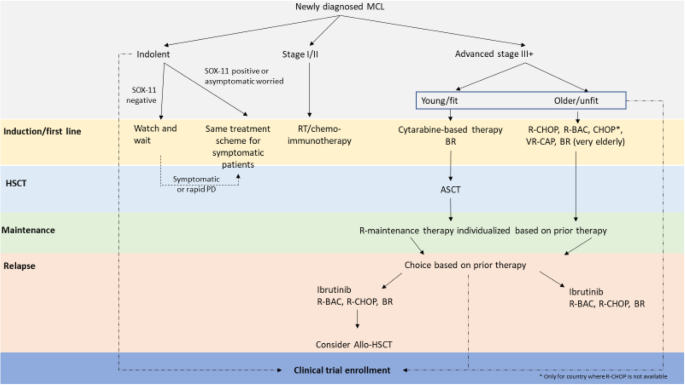
Treatment of mantle cell lymphoma in Asia: a consensus paper from the Asian  Lymphoma Study Group | Journal of Hematology & Oncology | Full Text
Treatment of mantle cell lymphoma in Asia: a consensus paper from the Asian Lymphoma Study Group | Journal of Hematology & Oncology | Full Text
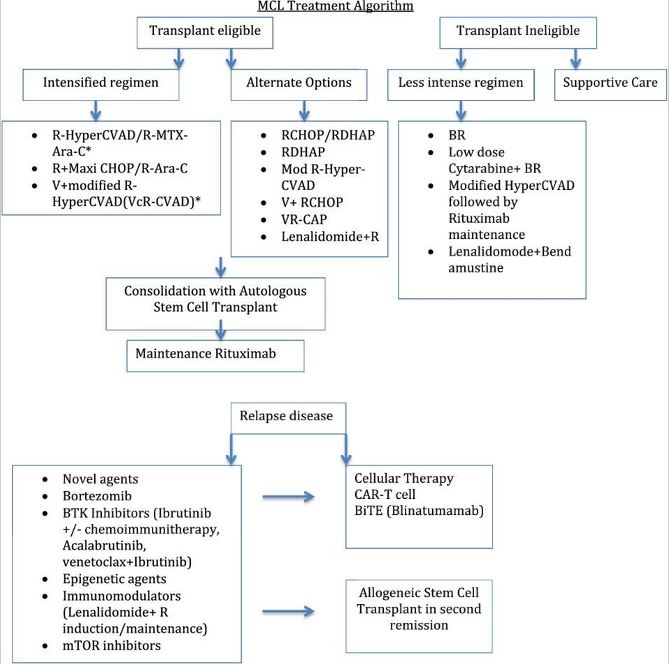
VA Has More Options as Treatment for Mantle Cell Lymphoma Expands Rapidly -  U.S. Medicine
VA Has More Options as Treatment for Mantle Cell Lymphoma Expands Rapidly - U.S. Medicine

Guideline for the management of mantle cell lymphoma - McKay - 2018 -  British Journal of Haematology - Wiley Online Library
Guideline for the management of mantle cell lymphoma - McKay - 2018 - British Journal of Haematology - Wiley Online Library

Frontline Therapy in Mantle Cell Lymphoma in 2017 | Oncology CME

Patterns of survival in patients with recurrent mantle cell lymphoma in the  modern era: progressive shortening in response duration and survival after  each relapse.,Blood Cancer Journal - X-MOL
Patterns of survival in patients with recurrent mantle cell lymphoma in the modern era: progressive shortening in response duration and survival after each relapse.,Blood Cancer Journal - X-MOL

Mantle Cell Lymphoma: Contemporary Diagnostic and Treatment Perspectives in  the Age of Personalized Medicine - ScienceDirect
Mantle Cell Lymphoma: Contemporary Diagnostic and Treatment Perspectives in the Age of Personalized Medicine - ScienceDirect

The role of targeted treatment in mantle cell lymphoma: is transplant dead  or alive? | Haematologica
The role of targeted treatment in mantle cell lymphoma: is transplant dead or alive? | Haematologica

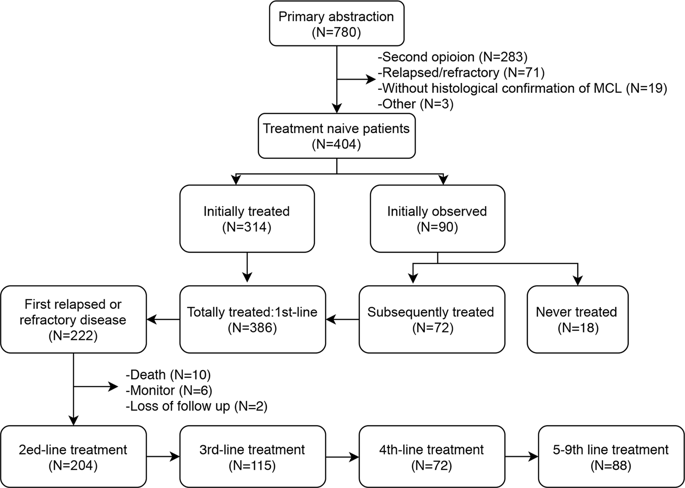
Flow diagram of mantle cell lymphoma (MCL) patients receiving frontline...  | Download Scientific Diagram
Flow diagram of mantle cell lymphoma (MCL) patients receiving frontline... | Download Scientific Diagram
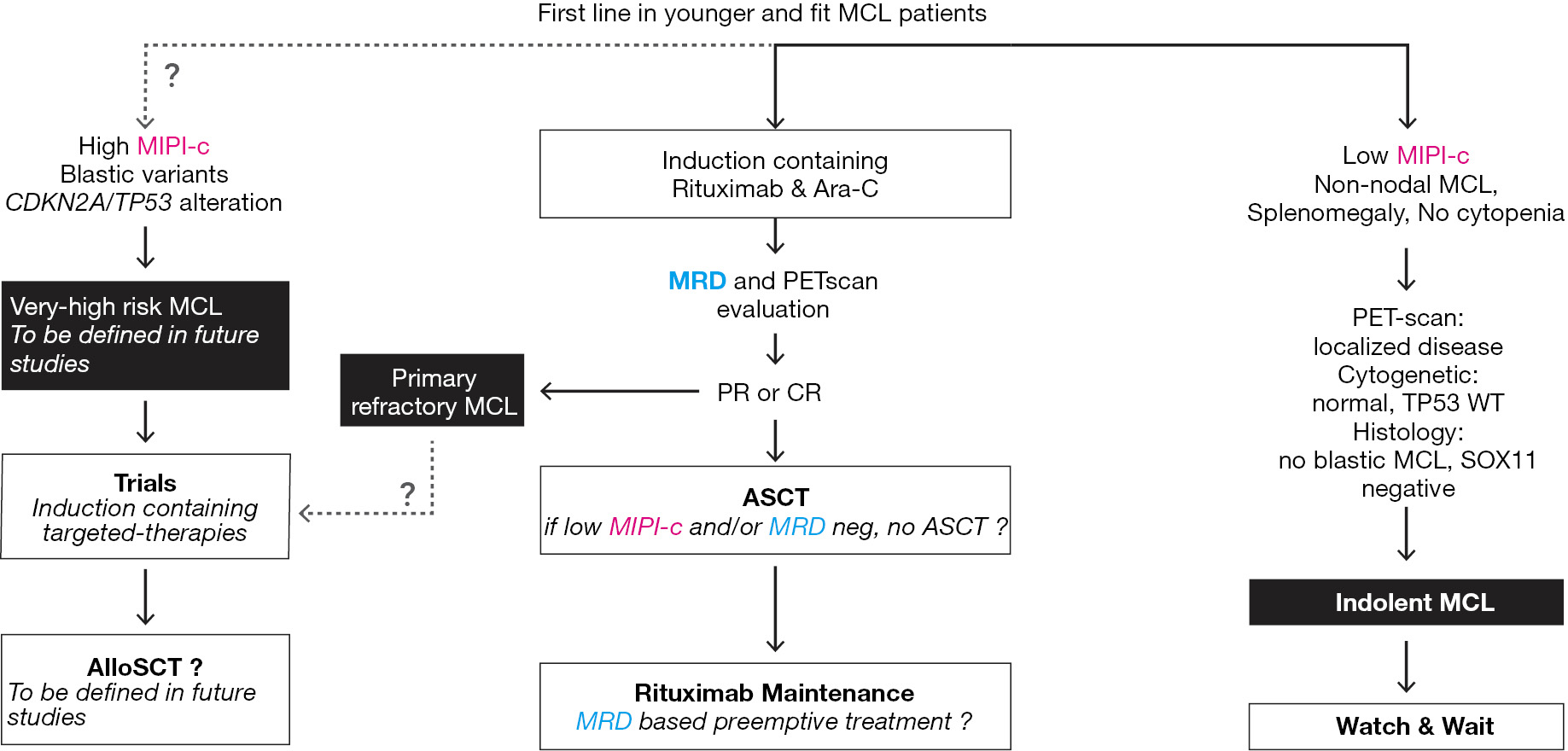
Recent advances in the first-line treatment of mantle cell lymphoma -  Cheminant - Annals of Lymphoma
Recent advances in the first-line treatment of mantle cell lymphoma - Cheminant - Annals of Lymphoma

Mantle Cell Lymphoma: Are New Therapies Changing the Standard of Care? -  European Medical Journal
Mantle Cell Lymphoma: Are New Therapies Changing the Standard of Care? - European Medical Journal

Personalized medicine in lymphoma: is it worthwhile? The mantle cell  lymphoma experience | Haematologica
Personalized medicine in lymphoma: is it worthwhile? The mantle cell lymphoma experience | Haematologica
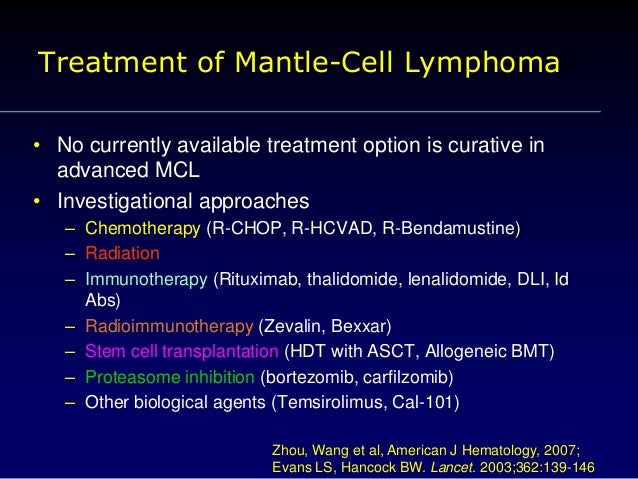
Mantle Cell Lymphoma: from bench to clinic

Newly diagnosed and relapsed mantle cell lymphoma: ESMO Clinical Practice  Guidelines for diagnosis, treatment and follow-up† - Annals of Oncology
Newly diagnosed and relapsed mantle cell lymphoma: ESMO Clinical Practice Guidelines for diagnosis, treatment and follow-up† - Annals of Oncology

Refining the Mantle Cell Lymphoma Paradigm: Impact of Novel Therapies on  Current Practice | Clinical Cancer Research
Refining the Mantle Cell Lymphoma Paradigm: Impact of Novel Therapies on Current Practice | Clinical Cancer Research

Mantle Cell Lymphoma: Are New Therapies Changing the Standard of Care? -  European Medical Journal
Mantle Cell Lymphoma: Are New Therapies Changing the Standard of Care? - European Medical Journal

Leukemic Non-nodal Mantle Cell Lymphoma: Diagnosis and Treatment | Semantic  Scholar
Leukemic Non-nodal Mantle Cell Lymphoma: Diagnosis and Treatment | Semantic Scholar

Ibrutinib versus temsirolimus in patients with relapsed or refractory mantle -cell lymphoma: an international, randomised, open-label, phase 3 study -  The Lancet
Ibrutinib versus temsirolimus in patients with relapsed or refractory mantle -cell lymphoma: an international, randomised, open-label, phase 3 study - The Lancet

Management of relapsed and refractory mantle cell lymphoma: a review of  current evidence and future directions for research - Bond - Annals of  Lymphoma
Management of relapsed and refractory mantle cell lymphoma: a review of current evidence and future directions for research - Bond - Annals of Lymphoma

Early clinical trial supports tumor cell-based vaccine for mantle cell  lymphoma | EurekAlert! Science News
Early clinical trial supports tumor cell-based vaccine for mantle cell lymphoma | EurekAlert! Science News

New Strategies in the Treatment of Mantle Cell Lymphoma | Clinical Cancer  Research
New Strategies in the Treatment of Mantle Cell Lymphoma | Clinical Cancer Research

Treatment for patients with relapsed/refractory mantle cell lymphoma:  European-based recommendations
Treatment for patients with relapsed/refractory mantle cell lymphoma: European-based recommendations
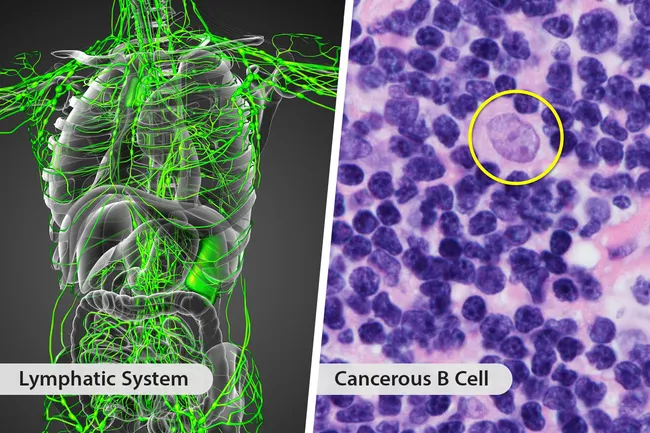
Mantle Cell Lymphoma Stages and Treatments

Lenalidomide maintenance after autologous haematopoietic stem-cell  transplantation in mantle cell lymphoma: results of a Fondazione Italiana  Linfomi (FIL) multicentre, randomised, phase 3 trial - The Lancet  Haematology
Lenalidomide maintenance after autologous haematopoietic stem-cell transplantation in mantle cell lymphoma: results of a Fondazione Italiana Linfomi (FIL) multicentre, randomised, phase 3 trial - The Lancet Haematology

Rituximab after Transplantation in Mantle-Cell Lymphoma | NEJM Resident 360  <meta property=
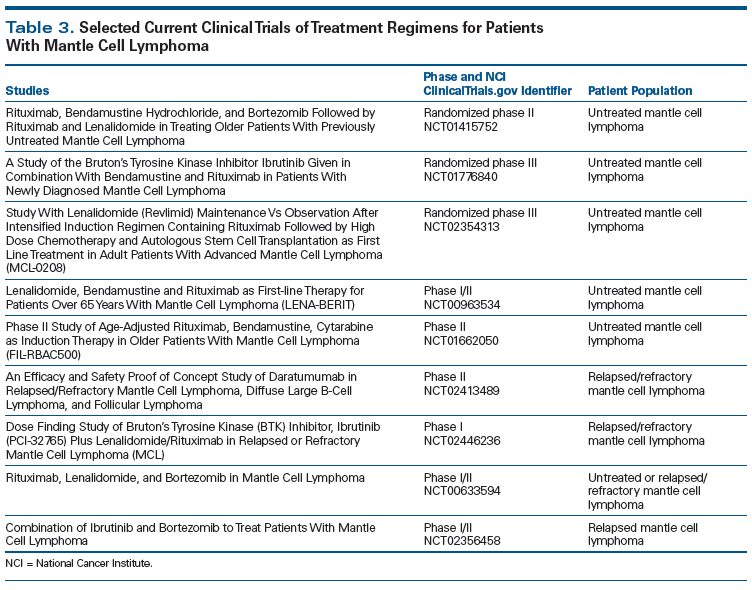
Rituximab after Transplantation in Mantle-Cell Lymphoma | NEJM Resident 360 Clinical Management Updates in Mantle Cell Lymphoma
Clinical Management Updates in Mantle Cell Lymphoma

How to manage mantle cell lymphoma | Leukemia

The role of targeted treatment in mantle cell lymphoma: is transplant dead  or alive? | Haematologica
The role of targeted treatment in mantle cell lymphoma: is transplant dead or alive? | Haematologica

First-line therapy with ASCT in patients with mantle cell... | Download  Table
First-line therapy with ASCT in patients with mantle cell... | Download Table

A Systematic Review of Treatments of Relapsed/Refractory Mantle Cell  Lymphoma - ScienceDirect
A Systematic Review of Treatments of Relapsed/Refractory Mantle Cell Lymphoma - ScienceDirect

Mantle cell lymphoma – Current standards of care and future directions -  Cancer Treatment Reviews
Mantle cell lymphoma – Current standards of care and future directions - Cancer Treatment Reviews

Mantle Cell Lymphoma Treatment Market Growth Forecast from 2020 to 2026 |  Worldwide Industry Analysis Focus On business players, Size, Share, Trends,  Advanced and Innovative Technology, effective diagnostic solutions and  Forecast | Medgadget
Mantle Cell Lymphoma Treatment Market Growth Forecast from 2020 to 2026 | Worldwide Industry Analysis Focus On business players, Size, Share, Trends, Advanced and Innovative Technology, effective diagnostic solutions and Forecast | Medgadget

Differences in Quality of Life Between Bendamustine-Rituximab and  R-CHOP/R-CVP in Patients With Previously Untreated Advanced Indolent  Non-Hodgkin Lymphoma or Mantle Cell Lymphoma - Clinical Lymphoma, Myeloma  and Leukemia
Differences in Quality of Life Between Bendamustine-Rituximab and R-CHOP/R-CVP in Patients With Previously Untreated Advanced Indolent Non-Hodgkin Lymphoma or Mantle Cell Lymphoma - Clinical Lymphoma, Myeloma and Leukemia
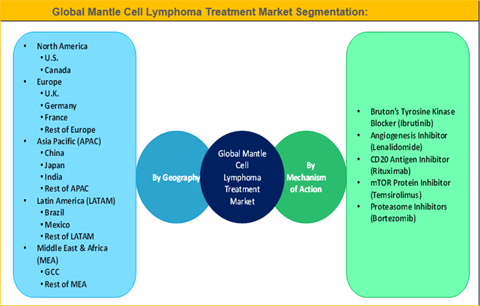
Mantle Cell Lymphoma Treatment Market Size And Forecast To 2025

Mantle cell lymphoma-management in evolution - Rajguru - Chinese Clinical  Oncology
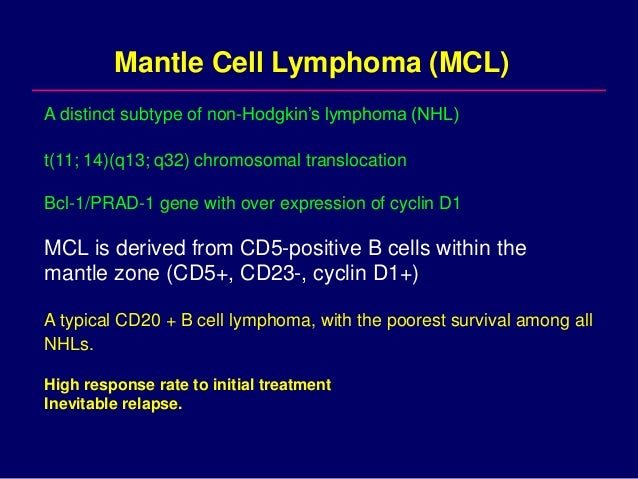
Mantle cell lymphoma-management in evolution - Rajguru - Chinese Clinical Oncology

Mantle Cell Lymphoma: from bench to clinic

Ibrutinib, lenalidomide, and rituximab in relapsed or refractory mantle  cell lymphoma (PHILEMON): a multicentre, open-label, single-arm, phase 2  trial - The Lancet Haematology
Ibrutinib, lenalidomide, and rituximab in relapsed or refractory mantle cell lymphoma (PHILEMON): a multicentre, open-label, single-arm, phase 2 trial - The Lancet Haematology

Genetic Profiling May Help Treat Mantle Cell Lymphoma | Patient Power
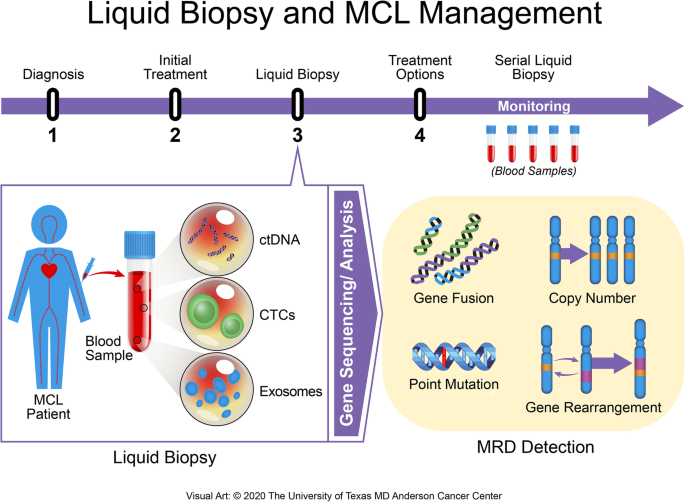

Advances in the assessment of minimal residual disease in mantle cell  lymphoma | Journal of Hematology & Oncology | Full Text
Advances in the assessment of minimal residual disease in mantle cell lymphoma | Journal of Hematology & Oncology | Full Text

Emerging Therapy for the Treatment of Mantle Cell Lymphoma in: Journal of  the National Comprehensive Cancer Network Volume 12 Issue 9 (2014)
Emerging Therapy for the Treatment of Mantle Cell Lymphoma in: Journal of the National Comprehensive Cancer Network Volume 12 Issue 9 (2014)

Posting Komentar untuk "mantle cell lymphoma treatment"